By October 2026, the overall war situation in the Middle East has reached a very complex and sensitive position. Prolonged military conflicts, border tensions and diplomatic deadlocks have thrown the lives of ordinary people in the region into dire straits. According to the impartial analysis of geopolitical investigators and international military observers, a clear picture of the military and diplomatic realities of this ongoing crisis is presented below.
1. Current situation on the frontline and military dynamics
• Border conflict and standoff: An internationally mediated ceasefire has been drafted after a long-running conflict along the border between Lebanon and Israel, but the two sides disagree on the terms of its implementation. Disarmament and troop withdrawal as recommended by the UN Security Council in South Lebanon in particular is still unresolved.
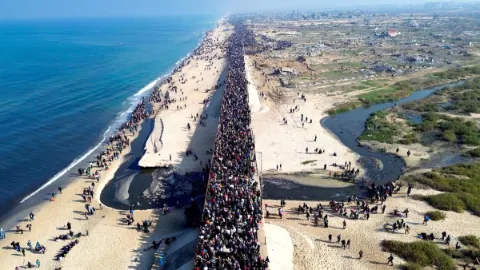
• Humanitarian crisis in the Gaza Strip: Infrastructural devastation has reached its peak as a result of the protracted military operation in the Gaza Strip. According to impartial reports by international relief agencies, the biggest challenge at the moment is to achieve a lasting ceasefire and unhindered humanitarian aid.
• Security of strategic waterways: There is growing concern in the international arena about security of commercial shipping and waterways in the Persian Gulf and Red Sea. Maritime security in the region has been threatened by counter-claims of drone and missile strikes.
2. Key Observations of Impartial Investigations
According to independent international investigators and analysts, there are several main reasons behind the prolongation of this war:
• Extreme crisis of trust: lack of mutual trust between the main parties to the conflict and non-proper implementation of previous agreements.
Read more: Garment workers protest in Mirpur: Golchattar blocked, clashes and tear shells thrown
• Conflict of regional and global interests: domestic agendas of local political parties and attempts to expand geopolitical influence of global superpowers.
3. Possible and effective solutions to the crisis
A group of international diplomats and impartial analysts have proposed a concrete 'roadmap' or outline of solutions to overcome this multifaceted crisis:
• Strengthening the UN mandate: enhancing the effectiveness of the UN peacekeeping mission UNIFIL in southern Lebanon and establishing a new security agreement acceptable to all parties.
• Interim Neutral Administration: Establish a politically neutral and internationally recognized interim technocrat administration for the reconstruction and long-term stability of Gaza.
• Unconditional diplomatic dialogue: holding a table-talk or direct dialogue with the participation of all parties while ceasing the show of military force, respecting international law and sovereignty.
Conclusion:
According to the investigators' overall analysis, lasting peace in the Middle East is only possible if the protection of civilians and respect for internationally recognized borders are prioritized over military action.