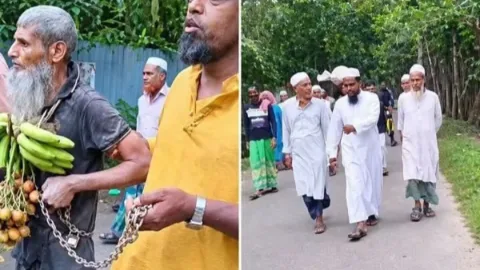
The allegation of a madrasa teacher in Tongi, Gazipur, of sexually abusing a first-class child student and the subsequent video of a parent slapping her, which went viral on social media, has created a stir across the country. This incident is not just an isolated incident of law and order, but behind it lies a deeper image of common people's psychological perception of the country's child protection system, institutional accountability and legal process. Investigative analysis has been published on why such undesirable incidents are happening repeatedly in the country and urgent reforms are needed in some state and institutional departments for the protection of children.
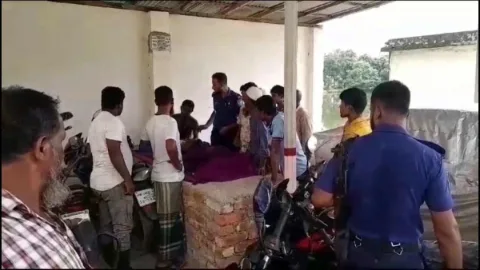
In the middle of last October, a teacher of 'Qariul Quran International Model Madrasah' of Auchpara area under Tongi West Police Station of Gazipur was accused of harassing and intimidating a child student. After the incident came to light, a man named Shahjalal Rumi (who took the side of the victim's family) went to the madrasa and directly slapped the accused teacher. The video of the incident quickly went viral on the internet.
According to law enforcement agencies, two separate cases have been registered with the local police station in connection with the incident. The police immediately arrested the accused teacher and handed him over to the court after the family of the child victim filed a case under the Prevention of Women and Child Abuse Act. On the other hand, a counter-case has been filed by the Madrasa authorities alleging trespassing, vandalism and looting of money. Shahjalal Rumi claimed on social media that he did not want to denigrate any institution or scholarly society, but only protested against injustice. At present, the police is conducting an impartial investigation of both the cases.
According to criminologists and sociologists, some structural weaknesses are responsible for the repeated occurrence of such abuses against children in educational institutions. First, there is a lack of institutional oversight and background checks. Many private educational institutions in the country, especially some residential and non-residential madrasas, do not conduct strict psychological tests or police verification while recruiting teachers. As a result, it becomes difficult to identify morally deviant individuals. Second, there is a lack of modern technology. Most of the general and religious primary schools do not have enough CCTV cameras. If the overall environment of classrooms and residence halls is not under constant digital surveillance, opportunities for criminals are created. Thirdly, social shame and fear is a major factor. In most cases, victimized families try to keep things secret for fear of loss of social status or lengthy legal proceedings. By exploiting this opportunity, criminals get away and later indulge in more serious crimes.
Permanent reforms are urgently needed in certain sectors of the state to curb the tendency to take law into their own hands and ensure a secure future for children. The Ministry of Education and Religious Affairs should make it mandatory to install CCTV cameras in all primary schools, kindergartens and madrasas in the country and establish an independent 'Child Protection and Complaint Cell' in each institution, where children or parents can lodge complaints anonymously. Law and Judiciary should strengthen the mechanism to dispose of cases under the Prevention of Violence against Women and Children Act within a specified period (eg 90 working days) through speedy trial tribunals without any delay. Ensuring speedy and visible justice will increase the confidence of the common people in the legal system. The role of home and law enforcement is also very important here. It is necessary to ensure that police action is taken above any social or political influence while receiving any complaint related to child protection. At the same time, permanent structures should be created to provide state security to victims' families and witnesses in the case.
This incident in Tongir Auchpara is a big warning in terms of internal security and child protection of educational institutions of the country. Courts of law will decide the case, but to keep the society safe, just as the culture of taking law into one's own hands must be discouraged, the state must take stricter and more effective measures to destigmatize the atmosphere inside educational institutions.