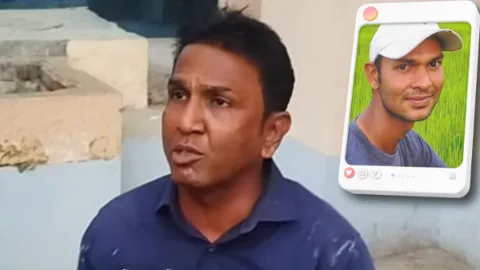
Mohin Uddin Ripon, District Representative of Daily Kalbela was abducted and brutally tortured in broad daylight in Tongi, Gazipur. On 26 October 2026, on Monday around 2 PM, a group of 40-50 armed terrorists on motorcycles blindfolded him and forcibly took him away from in front of Sena Kalyan Shopping Complex in Tongi Bazar.
According to the victim journalist, an influential local drug syndicate was angry with him for publishing series of news and Facebook Live about drug dealing, robbery and terrorist activities in Hajir Mazar slum area of Tongir recently. On the day of the incident, a large number of terrorists took Mohin Uddin Ripon openly with sharp weapons and batons, but no one dared to come forward fearing for their lives, according to the complaint of the locals.
Read more: Tongir Madrasa Child Abuse Allegations and 'Viral Video': Justice Concerns or Social Outrage?
If journalists have to constantly put their lives at risk and their families to live in extreme danger while covering crimes, the overall security system of the country becomes questionable. Along with the three main organs of state administration—law department (first pillar), administrative department (second pillar) and judiciary (third pillar)—the press is regarded as the 'fourth pillar' or fourth estate of a democratic state. If this fourth pillar is constantly under attack and security of journalists cannot be ensured, then it will never be possible to build a healthy, beautiful and progressive society. This issue has come to the center of discussion in several statements by prominent journalists. Today, the conscious citizens of the country are raising the question, in order to bring the society and the country back to the right path, do we have to hide the truth and publish the news by keeping our names and identities secret? Journalists cannot avoid their professional and constitutional responsibilities as the guardians of the country.
According to the investigation, after the abduction, journalist Ripon was taken to an unknown place and beaten severely with indigenous weapons and a ransom of 1 crore rupees was demanded from him, according to the relevant sources. At one stage of the torture, the terrorists took him to another hideout. There, an offensive video was taken of him forcibly undressing with a woman who was already having sex. Sources also said that the criminals threatened to spread the offensive video on social media if any news about drugs and criminal activities were published later. After about two hours of brutal torture, the victim lost consciousness and the terrorists left him on the street and fled. Later the locals rescued him and admitted him to Tongi Government Hospital.
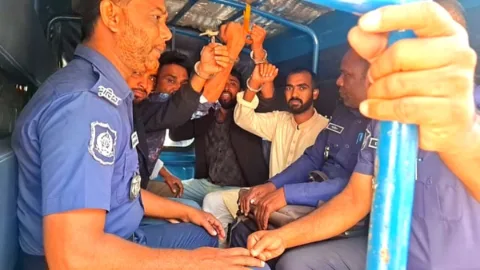
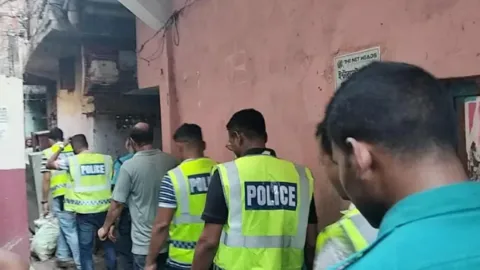
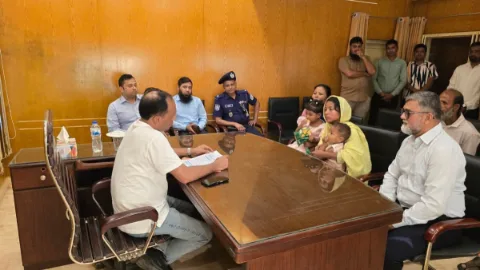
Tongi West Police Station Officer-in-Charge (OC) Arifur Rahman admitted the truth of the incident and said that as soon as the news was received, several police teams visited the scene and the hospital. The process of filing a written complaint on behalf of the victim's family is underway and the police operation is continuing to identify and arrest the culprits.
This incident of journalists being attacked while performing their professional duties is not new. Just a few days earlier, on October 15, 2026, terrorists brutally shot and killed journalist Lutfuzzaman Alif Fakir in the open market for his regular truth-telling against drug and smuggling on social media in Netrokona's Durgapur border area. Soon after this incident, similar brutal blackmailing and torture happened again in Tongi. Strong demands and warnings have been raised by journalists that the real culprits behind Netrokona's murder or Tongi's heinous crime should not remain hidden through any political or legal loophole. Many a times, the principals find loopholes in the law and walk free by granting one-time bail very quickly, which is against the rule of law.
According to Article 39 of the Constitution of Bangladesh, the fundamental right of freedom of thought, conscience and speech and freedom of the press is protected, exemplary punishment of these criminals is the need of the hour. It has been strongly demanded by journalists that if these drug syndicates and attackers are not faced with strict punishment through the proper implementation of information technology law and penal code, then the future of independent journalism will go towards deeper darkness.