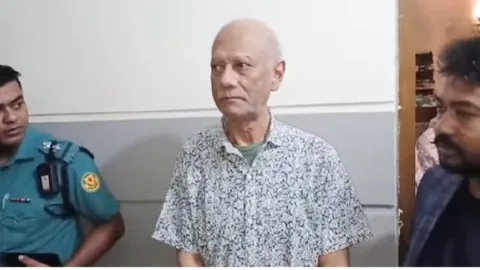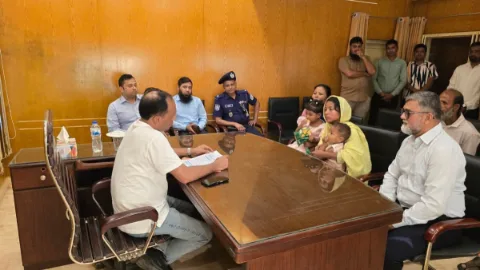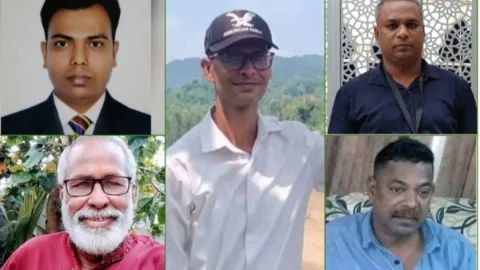
In recent years, five journalists have died tragically in different areas of Mymensingh while performing their professional duties to reveal the truth. The deceased and injured journalists are: Lutfujjaman Alif Fakir of Durgapur in Netrokona, Asaduzzaman Tuhin of Gazipur, Golam Rabbani Nadim of Jamalpur, Swapan Kumar Bhadra of Mymensingh, and Shelu Akand, who died after being paralyzed for five years. According to senior media personalities and legal experts, when journalists' lives are at extreme risk due to the lack of proper security and a culture of impunity in the state, investigative journalism with a hidden identity or pseudonym is a viable and legitimate option for revealing the truth and saving lives in the public interest.
The legal validity and relevance of journalism with a hidden identity in Bangladesh, according to the constitution and existing laws:
1. Constitutional rights: The Constitution of Bangladesh ensures freedom of the press in Article 39(2)(b) and the right to life and personal liberty in Article 32. When the state fails to protect life, it is fully constitutional to maintain freedom of the press by keeping one's identity hidden.
2. Protection of sources: According to the Bangladesh Press Council Act, 1974, and the code of conduct, there is a right to keep sources secret in the public interest. Legally, this principle of source protection also applies to protecting the journalist's own identity.
3. Copyright Act, 2000 (Section 22): This law recognizes 'pseudonymous works' in Section 22. As a result, if any investigative report is published under a pseudonym without revealing the real name, the author's full legal and copyright rights remain intact.
4. Digital security and cyber boundaries: According to Section 24 of the Cyber Security Act, impersonating or falsifying someone else's identity is a crime. Therefore, instead of using a real person's name, a separate pseudonym or a fictional banner like a 'special investigative cell' should be used.
5. Legal protection against defamation: According to Section 499 of the Penal Code, publishing objective and true information in the public interest is not considered defamation. Therefore, publishing reports under a pseudonym based on irrefutable evidence can avoid legal challenges under Section 500 of the Penal Code.
At this time of impunity, publishing reports under a pseudonym or with a hidden identity can help save journalists' lives while revealing the truth in the public interest, as a legal strategy for self-defense.
Special legal declarations and disclaimers:
This report has been prepared for the public interest, development of free journalism and professional protection of field-level journalists. Each piece of information and legal analysis mentioned here is fully consistent with Article 39 (freedom of thought, conscience and speech) and Article 32 (right to life and personal liberty) of the Constitution of the People's Republic of Bangladesh. The details and context of the deaths of the five journalists mentioned in the report are compiled based on objective information published in the country's mainstream media.
Read more: Love draws Chinese citizen to Osmani Nagar: Mystery and curiosity surround couple's stay in village
The legal path to investigative journalism with a pseudonym or hidden identity as mentioned in this article is fully subject to Section 22 (recognition of pseudonymous work) of the Bangladesh Copyright Act 2000, the source protection provisions of the Bangladesh Press Council Act 1974, and the legal exceptions of Sections 499 and 500 of the country's Penal Code related to defamation. This does not in any way promote disobedience of the law or violation of Section 24 of the Cyber Security Act (impersonation or identity deception), but rather teaches journalists self-defense strategies within the legal boundaries.
The objectivity of the published information and the overall application of the legal interpretations depend on the context of a specific case and the court's consideration. This information is not a substitute for legal advice from a specific court. The copyright of this column published in the public interest is completely free and open for the purpose of raising public awareness.